Failure and Forensic Investigations
Establish the cause of asset failures through independent forensic investigations.
Trusted by network operators and infrastructure providers globally











Experience behind every investigation
Recognised for independence and quality
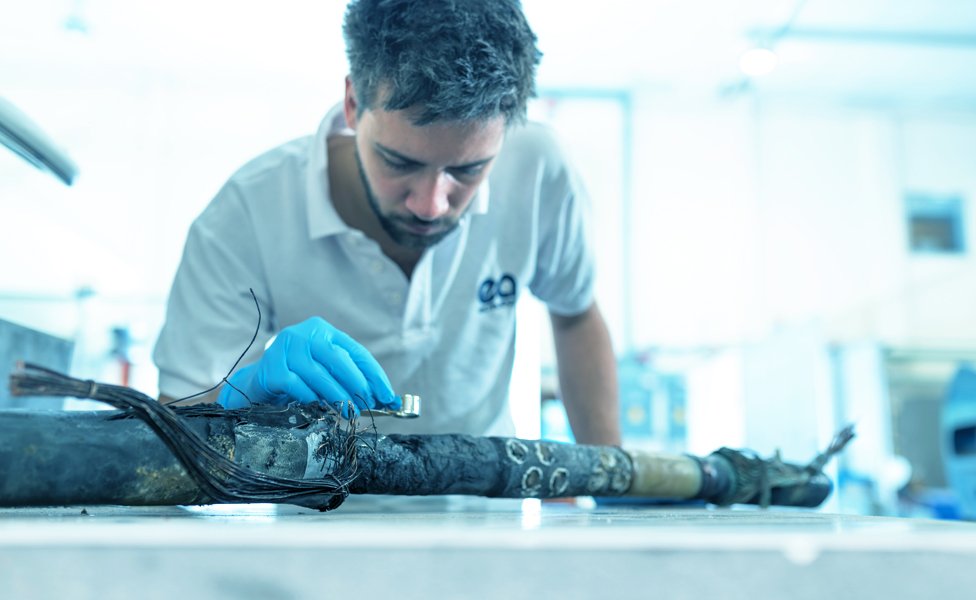
Our forensic investigation experts are trained to independently assess faults, incidents and unexplained failures for a variety of assets and equipment.
After thorough investigations that combine technical assessments, laboratory testing and evidence reviews, we provide detailed reporting and recommendations to improve safety and prevent recurrence.
We build the technology that keeps electrical networks visible, predictable and safe for the industries that can't afford to lose power.
Network Owners and Operators
As low-carbon technologies become mainstream, network operators face rising demand and growing complexity while being asked to improve reliability. Proactive solutions, workforce efficiency and intelligent investment are central to meeting those challenges.
Renewables
Successful, profitable operation of onshore and offshore wind and solar sites requires a smart approach to asset management. Minimizing downtime and improving safety require proactive solutions that keep sites reliable as assets scale and operational complexity increases.
Data Centers
Protecting uptime and system resilience is critical for data centers, and with 60% of downtime causes being power related, identifying and addressing hidden electrical risks early ensures redundancy remains untested.
Water utilities and wastewater
Pollution incidents caused by electrical issues make up almost half of all reports, with even minor power disturbances at risk of escalating if not detected and managed.
Latest Insights


Frequently asked questions
Yes. You don't need to know the cause of the failure or what testing is required before contacting us. Our forensic specialists can review the circumstances, advise how best to preserve the available evidence and recommend an investigation plan to establish what happened and why.
We mainly run projects under four themes:
Failure investigations: to establish why assets have failed and what asset management or preventative actions can be put in place to prevent a recurrence.
Condition assessments: to establish the condition of assets and predict the state and remnant life of similar in-service assets. Examples include overhead line conductors and insulators, cable systems and surge arresters.
Conformance testing: independent verification that new products, materials and technologies comply with relevant technical standards, specifications and performance requirements. This can include laboratory, environmental and mechanical testing, electrical performance testing and material characterisation.
R&D projects: larger-scale projects drawing on a wide range of disciplines from our team of forensic engineers and scientists in mechanical and electrical engineering and material science.
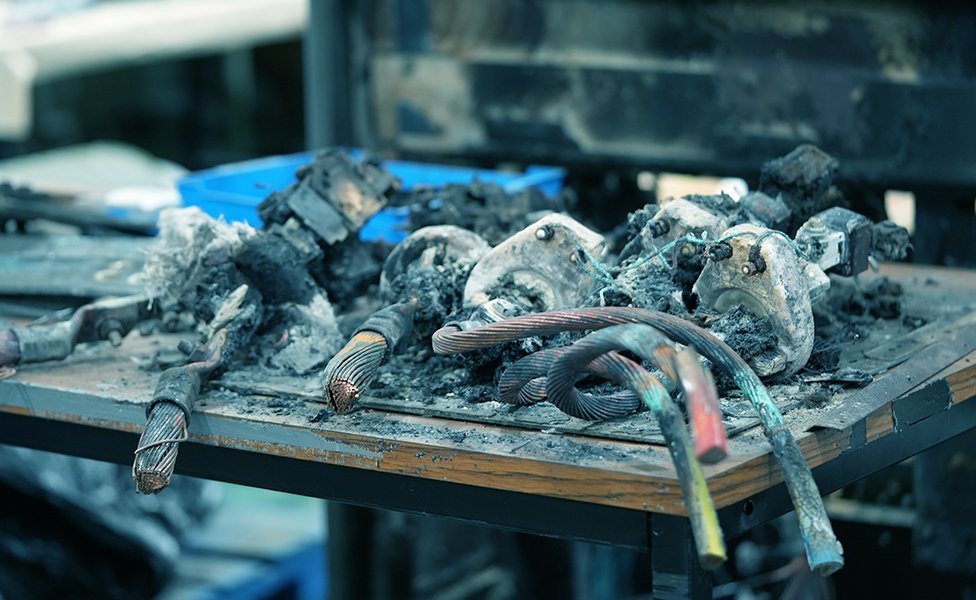
We investigate failures involving electrical equipment, components and materials, from individual components through to large electrical or mechanical assets. Investigations can include electrical, mechanical and material failures, overheating, insulation breakdown, manufacturing defects, contamination, corrosion and other potential failure mechanisms.
Our investigations are designed to establish the most probable cause of failure based on the available evidence. We combine examination, testing, analysis and engineering expertise to build an evidence-based understanding of what happened and why.
We can investigate a wide range of electrical assets and components, including transformers, switchgear, cables, joints, terminations, motors, generators and smaller electrical or electronic components, as well as any material-based components.
The scope is tailored to the failure. It can include visual examination, disassembly, photography, electrical testing, material analysis, microscopy, mechanical testing and other specialist techniques. Findings from each stage are brought together to determine the likely failure mechanism and root cause.
As much background information as possible is helpful, including photographs, operating history, failure circumstances, maintenance records, previous test results and details of any events leading up to the failure. However, we can still begin an investigation where only limited information is available.
Where practical, failed equipment or components can be sent to our forensic laboratory for detailed examination. For larger assets, or where equipment cannot be transported, we can discuss alternative approaches, including examination on site and at reclamation yards.
Yes. Where appropriate, our engineers can attend site to examine failed equipment, document evidence and determine what further testing or laboratory analysis may be required.
Timescales depend on the size and complexity of the investigation and the testing required. Typically, it's between 4 and 8 weeks. We understand that failures can have significant operational and commercial consequences, so urgent investigations can be prioritised where possible.
You will receive a technical report setting out the investigation undertaken, evidence and observations, test results, conclusions and, where appropriate, recommendations. Reports are designed to provide a clear evidence trail supporting the findings.
Yes. Where the evidence supports it, we can identify contributing factors and recommend actions to reduce the likelihood of recurrence, which could include changes to operation, maintenance, design, materials or asset management practices.
Yes. An independent forensic investigation can be particularly valuable where different parties have competing explanations for a failure. Our approach focuses on the physical evidence and available technical information.
Yes. Forensic investigations can support asset owners, operators, manufacturers, insurers and other parties that need an independent technical understanding of why an asset or component failed.
Yes. Material condition is often an important part of understanding electrical asset failures. Depending on the investigation, techniques can include optical microscopy, material examination, mechanical testing and other laboratory analysis.
You don't need to specify the tests. Tell us what has failed and what you need to understand, and our forensic specialists can recommend an appropriate investigation plan based on the available evidence.
Yes, and in most cases this can be beneficial. Preserving the condition of the failed equipment and surrounding evidence, or providing an unfailed unit alongside, can provide valuable information. If possible, contact us before significant dismantling, cleaning or disposal takes place.
Yes. Where similar failures have occurred across multiple assets or components, we can compare the evidence to identify common failure mechanisms, patterns or contributing factors.