LV Network Monitoring with VisNet® Hub for Safer, Stronger Low Voltage Networks
-
23 November 2020
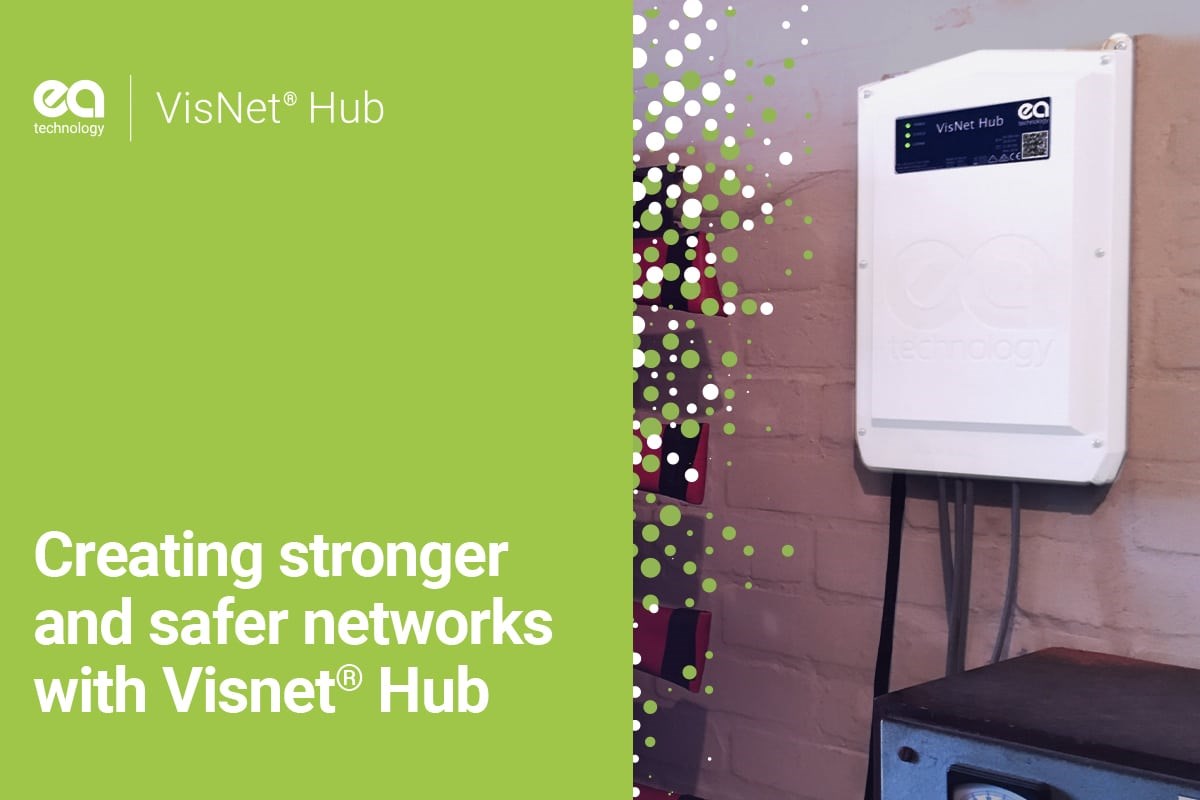
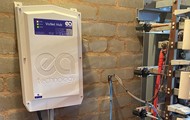
Low voltage (LV) network monitoring has historically been overlooked, but the need for real-time visibility across the LV grid has never been greater. As electricity networks transition towards a decarbonised, decentralised, democratised and digitalised future, operators require deeper insight to maintain safety, reliability and performance. VisNet® Hub enables condition monitoring for LV networks, delivering the transparency needed to support this transformation.
Australia’s energy system is undergoing a fundamental shift in how electricity is generated and consumed. The rapid adoption of distributed energy resources, electric vehicles and electrified heating and cooling is placing unprecedented pressure on low voltage infrastructure that delivers power to homes and businesses.
Why LV Network Monitoring Matters
Challenges Facing Modern Low Voltage Networks
Each LV cable has a finite capacity. Operating beyond this capacity accelerates degradation, increases fault risk and ultimately leads to outages. Despite this, LV networks remain largely passive in operation, with limited condition monitoring deployed across most distribution substations.
Where LV monitoring does exist, it is often implemented for a single purpose only, providing fragmented insight rather than a holistic view of network health. This lack of visibility limits an operator’s ability to plan proactively and respond effectively to emerging risks.
Lack of Visibility in Distribution Substations
Historically, LV monitoring has been viewed as the poor cousin to high-voltage monitoring. High-voltage networks benefit from mature monitoring practices due to the scale of impact from failures and the relative ease of pinpointing issues through centralised systems.
In contrast, millions of LV substations worldwide operate without real-time monitoring. This creates a significant knowledge gap, making it difficult for network operators to optimise performance, improve flexibility, and safely accommodate new demands on the grid.
What Does VisNet® Hub Do?
Real-Time Condition Monitoring for LV Networks
VisNet® Hub transforms LV network monitoring by enabling real-time visibility within distribution substations — efficiently, cost-effectively and at scale. Designed to push intelligence to the network edge, VisNet® Hub supports a wide range of monitoring and analytics functions beyond traditional measurement.
A Flexible, Future-Ready Monitoring Platform
VisNet® Hub incorporates EA Technology’s low voltage common application platform, operating in a similar way to Android or iOS devices. This allows network operators to deploy new applications and algorithms where needed, ensuring the system evolves as network requirements change.
Turning LV Data into Actionable Insight
VisNet® Hub continuously monitors voltage and current on every LV feeder, using this data to generate insights into:
- Load behaviour and utilisation
- Fault detection, prediction and location
- Asset condition across individual devices and substations
As distributed energy resources become more widespread, this data is critical for improving network flexibility, efficiency, security and quality of supply. Reduced uncertainty enables faster, more targeted maintenance interventions, helping to minimise average outage duration and operational disruption.
Supporting Smarter Network Planning and Operations
The VisNet® Hub platform future-proofs LV network monitoring by enabling local data capture and centralised consolidation. Operators can use these insights to make informed, evidence-based decisions, reducing long-term monitoring and maintenance costs while supporting strategic planning for future network growth.
Frequently Asked Questions About LV Network Monitoring
What is LV network monitoring?
LV network monitoring is the process of collecting and analysing real-time data from low voltage distribution networks to improve visibility, reliability and performance. It provides insight into voltage, current, capacity, load behaviour and asset condition at distribution substations.
Why is LV network monitoring important for modern grids?
As distributed energy resources, electric vehicles and electrification increase demand, LV networks face higher loading and greater complexity. LV network monitoring provides the transparency needed to manage capacity, detect emerging faults early and maintain security of supply.
Without this visibility, operators rely on reactive maintenance, increasing operational risk and outage duration.
How does LV network monitoring reduce outages?
By identifying abnormal loading patterns, early-stage faults and asset deterioration, LV network monitoring enables intervention before failure occurs.
This reduces:
- Unplanned outages
- Average outage duration
- Emergency repair costs
- Customer disruption
Is LV network monitoring scalable across large networks?
Yes. Modern platforms like VisNet® Hub are designed to scale from individual substations to enterprise-wide deployments.
Data can be gathered locally and consolidated centrally, supporting fleet-level visibility and strategic network planning.
Learn More About VisNet® Hub
Discover how VisNet® Hub supports safer, stronger low voltage networks through real-time condition monitoring, predictive insight and scalable intelligence at the network edge.