Australian trial uses EV batteries to tackle grid power outage
In May last year we posted an article posing the question: Are home and EV batteries the key to balancing the grid? A new trial in Australia has demonstrated that energy stored in vehicles could indeed help meet demand during sudden outages – and more.
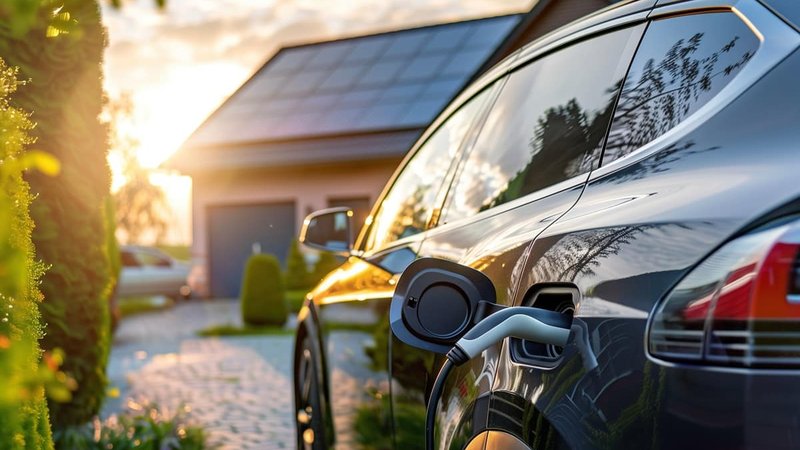
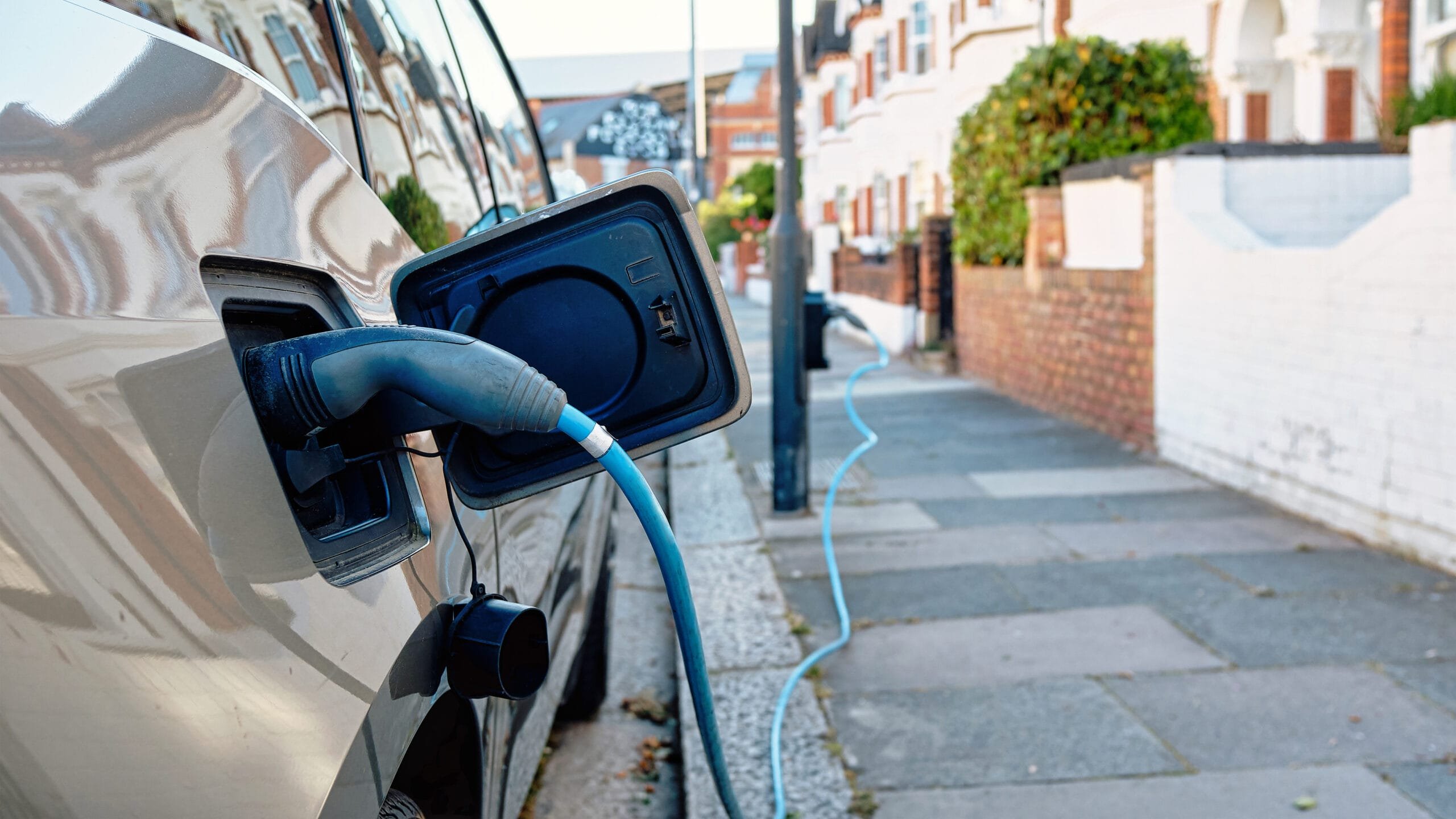
As reported in The Guardian, the Realising Electric Vehicles to Grid Services (REVS) trial was run by the Australian Capital Territory government, using 51 Nissan Leafs with vehicle-to-grid capabilities, to test whether EVs can help manage the national electricity market.
It included an incident in February when freak weather shut down Victoria’s largest power station. Within six seconds, 16 vehicles 500km away in Canberra started sending power back into the grid. Nowhere near enough for the 90,000 households who lost electricity, but sufficient to prove the potential for treating energy stored in consumer batteries as an untapped resource for grid balancing.
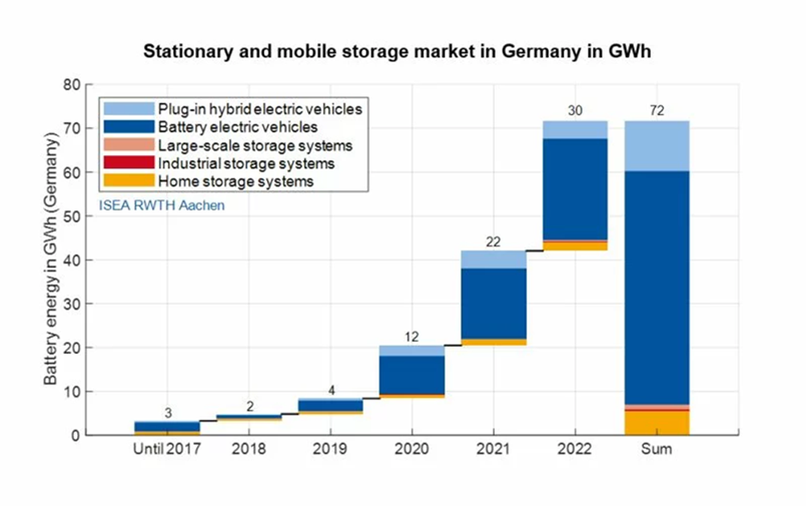
As we showed last year (see below), the amount of energy stored in EVs and domestic batteries in Germany in 2022 far outweighed the country’s industrial storage systems. No similar figures are available for the UK. But it is clear that consumer batteries with the capacity to interact with the grid could have an important role in future.
The Guardian article cites industry experts who caution that there are major issues to address to make consumer battery-to-grid integration work at scale. These include the wider availability of suitably equipped EVs and chargers, development of common standards and agreement with battery manufacturers over effects on battery life and warranties, together with deals for consumers that will attract them to participate.
Could this be the next big thing in grid balancing – or a bridge too far in practice? We would love to hear your thoughts on this.