Blog: Is phase locking a must-have for Partial Discharge testing?


System frequency at any electrical installation will tend to slow down and speed up or ‘drift’ away from its intended setting of usually 50/60Hz, all day every day.
The aim of achieving a good phase lock is to ‘match’ the 50/60Hz reference of a PD test instrument with the system frequency at the time of recording PD data. If this is achieved, the PD test instrument such as our UltraTEV Plus² unit is able to record an accurate phase resolved partial discharge (PRPD) pattern.
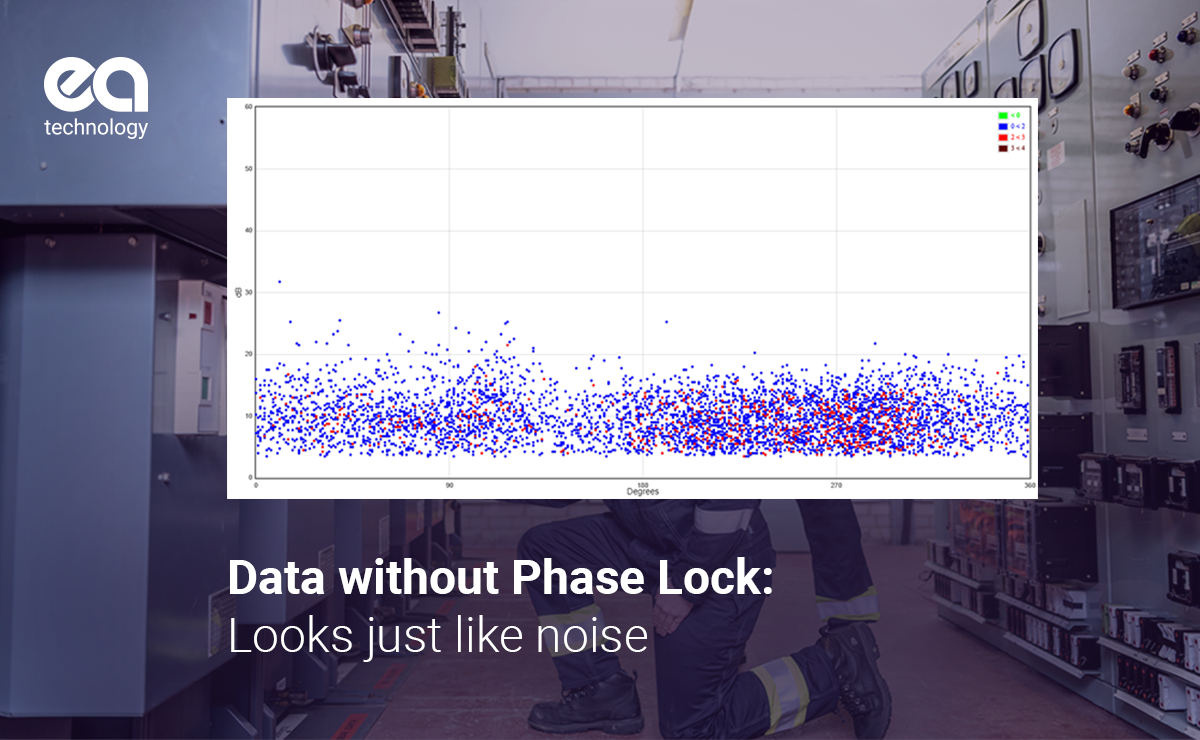
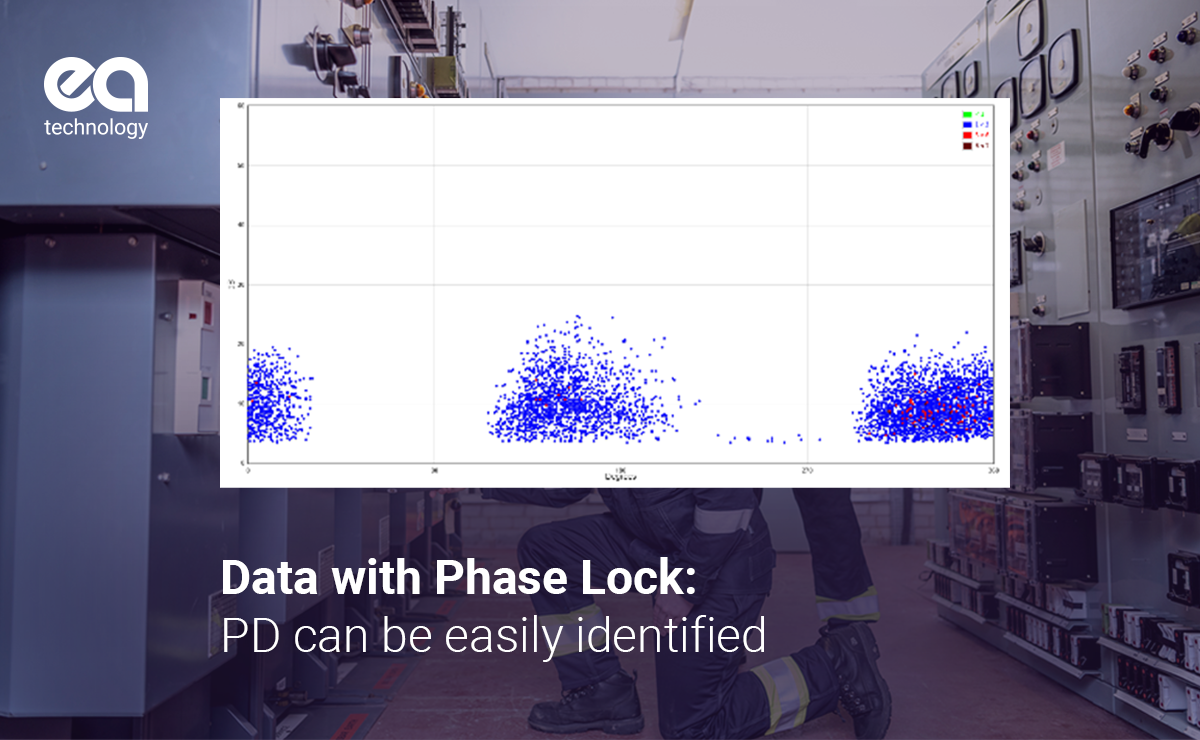
When the PRPD pattern is accurate, the user is able to correctly analyse the PRPD patterns created by PD activity. A good phase lock is extremely handy, especially during data analysis, to diagnose the different types of PD – internal void, corona, surface PD, single, 2 or 3 phase PD, contact type etc. Noise which is very common is also identifiable from PRPD pattern analysis, which helps avoid false positives.
However, if you are just picking up generalised, very low-level activity, there may be no need for the higher level of precision delivered by the phase lock.
Pros of having a phase lock:
➤ Enhances ability to differentiate between PD and noise
➤ Reduces the complexity of data interpretation
➤ Allow better classification of PD type – Single phase, multiple phase, corona PD etc.
➤ Enables detection of multiple sources
Learn more about the UltraTEV Plus² here.