How to specify permanent HFCT for future Cable PD testing
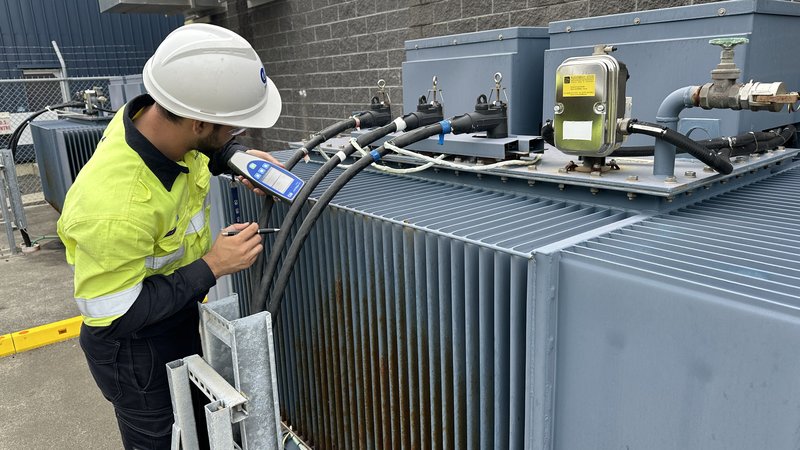
Unexpected failures in medium & high voltage (MV/HV) cables cause significant losses in terms of downtime, safety, penalties, and availability.
Most of these failures happen progressively and could be predicted from warning signs, most notably, partial discharge (PD). HFCT’s (High Frequency Current Transformers) are used to detect and measure partial discharge in shielded cables.
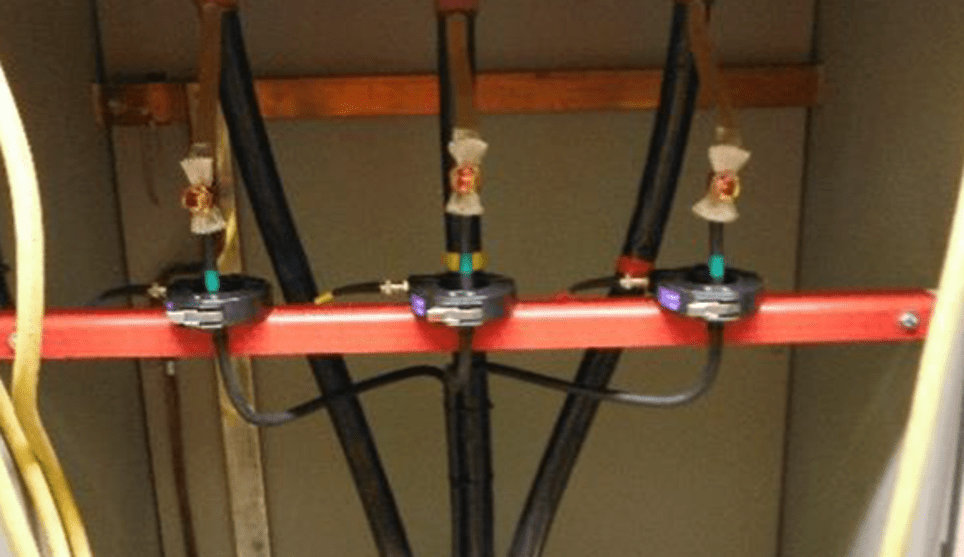
Permanent installation of HFCT’s allows the user to periodically survey or monitor their cables safely and easily.
HFCT’s need to be mounted on the ground straps of shielded cable to detect partial discharge. By mounting them on the ground strap adjacent to a solid ground point, they remain at a safe potential under any system conditions.
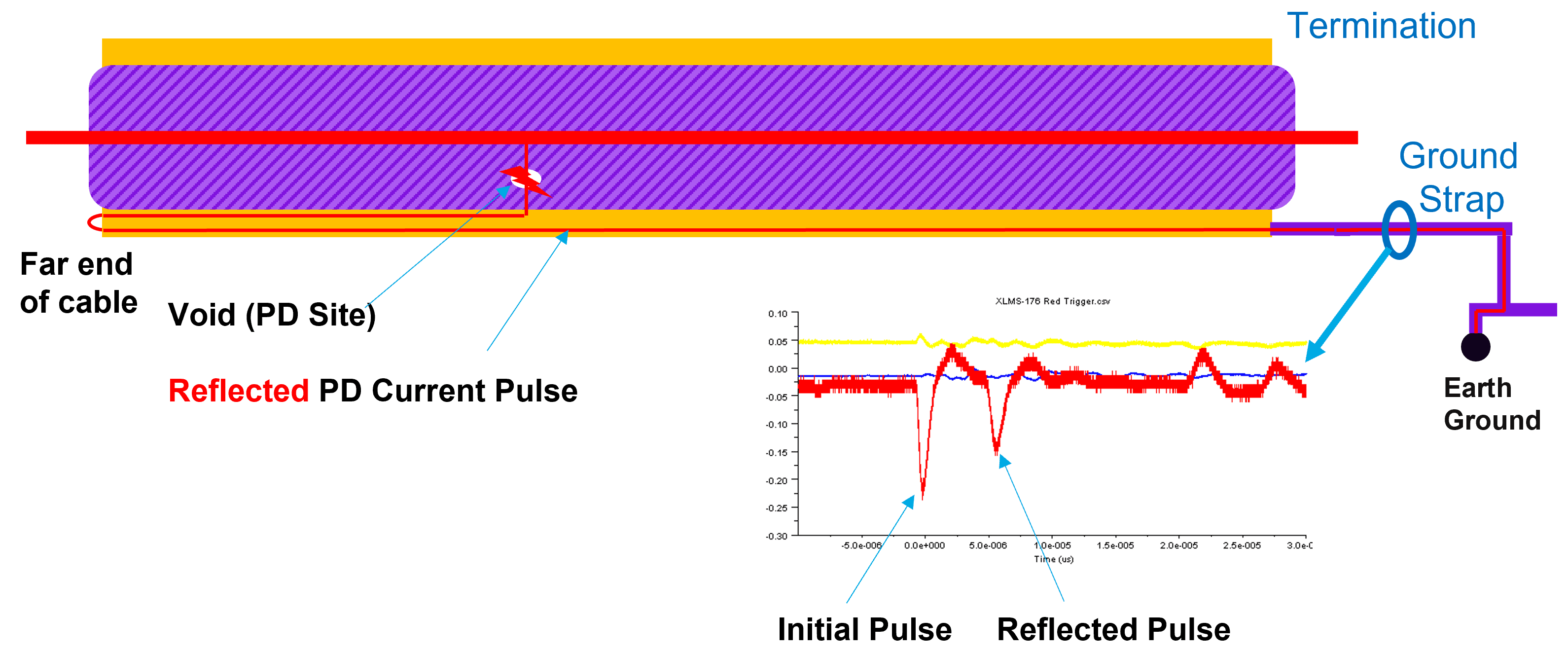
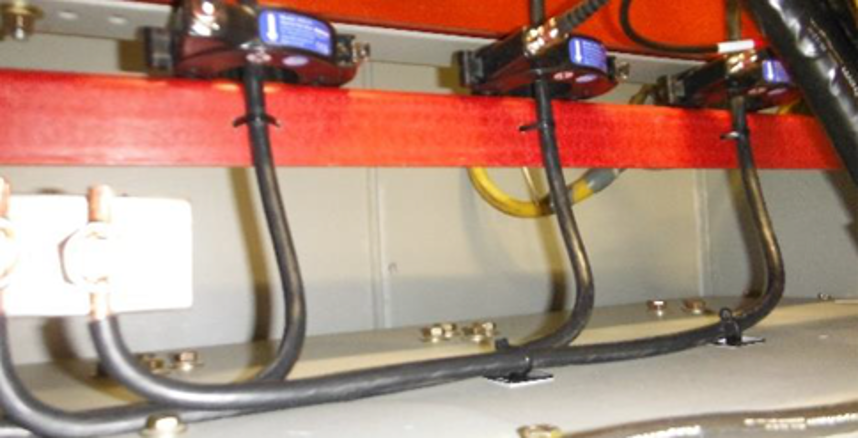
HFCT’s are specially designed to detect high frequencies well above the power system frequency. This allows them to be sensitive to very low PD currents in the presence of large power system currents.
Permanent HFCT Locations: Indoor and Outdoor
Medium and high voltage shielded cables terminate typically in one of two ways, indoor and outdoor. Indoor terminations are inside metal clad switchgear. They are inside locked cabinets to prevent accidental
contact.
This means that the split-core HFCT must be installed and the signal cable routed to outside the cabinet while de-energized. The signal cable can be routed either to a full-time monitor or a test connector for periodic surveying. Once installed, the user can connect test equipment and survey the cable safely at any time. Indoor HFCT’s do not need to be weatherproof.
|
|
User accessible Test Box | User accessible |
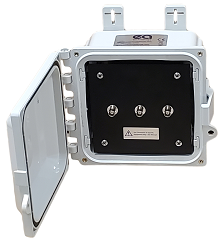
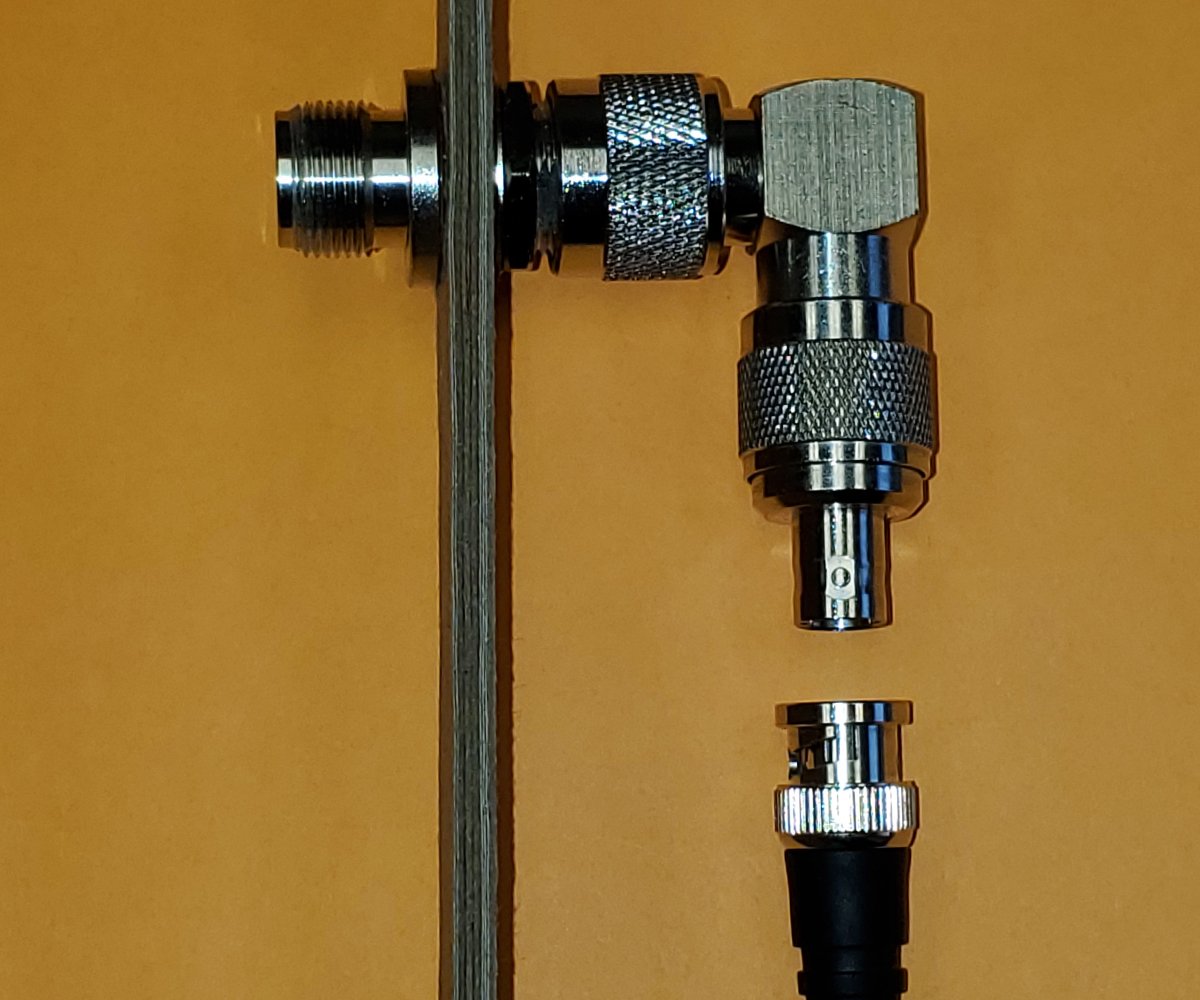
Outdoor terminations can be in switchyards attached to structures or riser poles. There, ground straps typically are safely accessible while the station is energized. Test technicians can use temporary, clip-on, non-weatherproof HFCT’s that are in place only during a test.
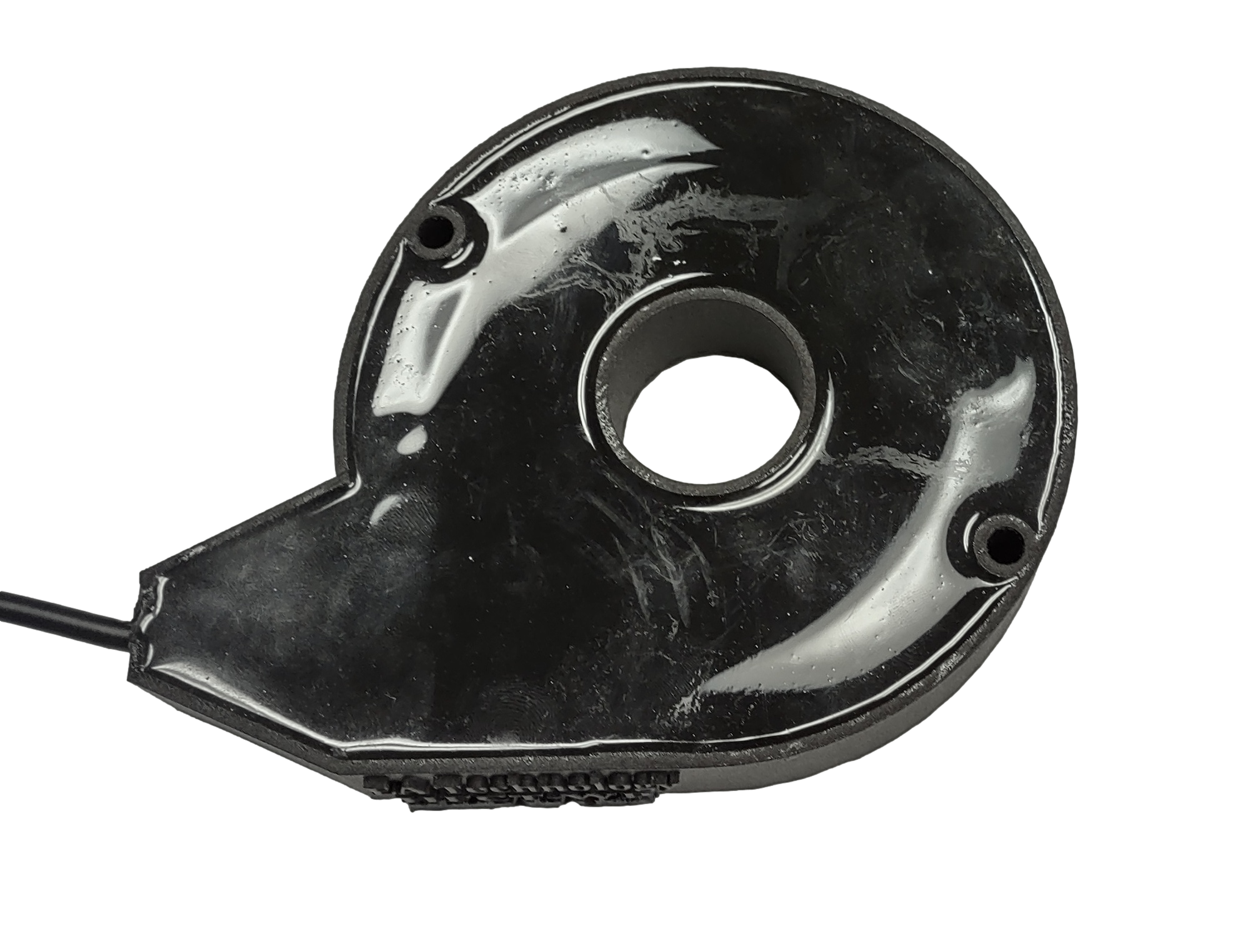
Sometimes cable terminations are at the top of structures and are not easily or safely accessible. These applications need permanently mounted HFCT’s. As these locations are exposed to the elements, weatherproof HFCT’s are required. Weatherproof HCFT’s are sealed against rain and snow and are typically not the split core clip-on type. They need the shield ground cable to be run through the bore which will require the system be de-energized. Below is an example of a weatherproof HFCT.
Whichever type of HFCT is used, caution must be used in a permanent installation. Particularly, the shield ground cable must be adequately sized to withstand any fault condition and the HFCT/signal cable must be routed to avoid the dangerous voltage under all conditions.
Resource Links
Portable and Fulltime Online PD Monitoring Instruments using HFCTs
Recorded Webinar: Failure Prevention Through Effective Cable Monitoring
Topics include:
– Online Detection of PD in Cables
– Cable Monitoring and Fault Detection
– Failure Prevention through Asset Management
– Real-Life Case Studies