India and Denmark renew partnership as renewables transition accelerates
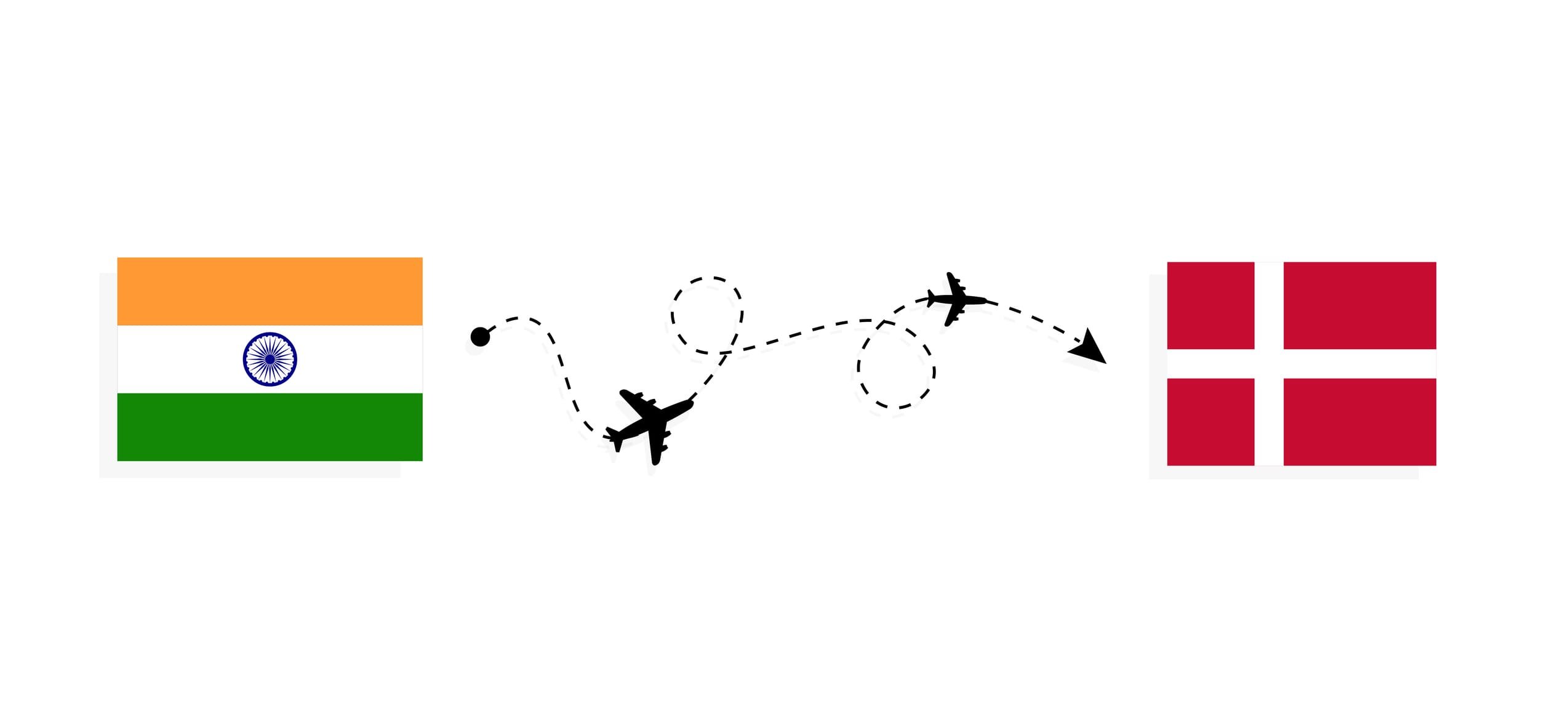
India and Denmark have signed a second five-year cooperation deal, which aims to support the South Asian state’s goals of 50% renewables by 2030 and net zero carbon by 2070.
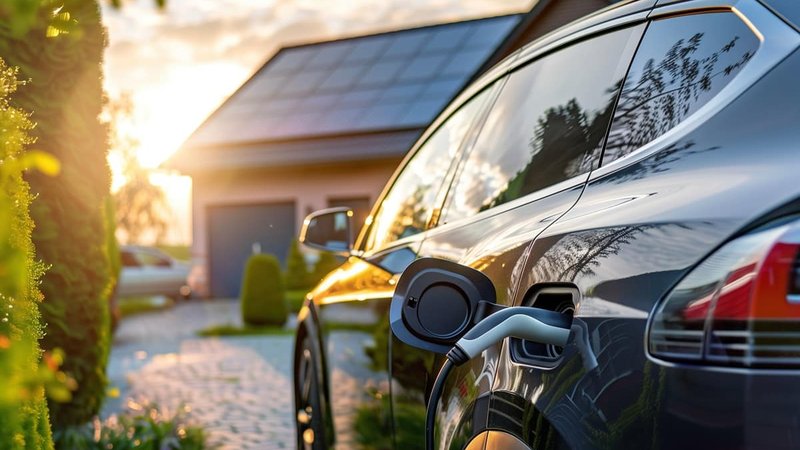
The parties’ new Memorandum of Understanding broadens an existing partnership, to cover knowledge exchange and technological collaboration, in areas including power system modelling, integration of variable renewable energy, cross-border electricity trading, and development of EV charging infrastructure.
India has a steep hill to climb to meet its clean energy targets. Electricity generation is heavily reliant on coal and it is currently the world’s third biggest carbon emitter, after China and the USA.
Emissions of less than two tonnes of carbon for each of its 1.46 billion citizens are well below international averages.
But India is industrialising its economy rapidly, while increasing prosperity for some is driving the adoption of developed nation lifestyles. So decarbonisation is battling a rising tide of demand for energy.
Picking up pace
According to Invest India, which is heading a drive to attract foreign investment in renewables, its installed non-fossil fuel capacity has increased 396% in the last 8.5 years. It now stands at more than 206 GW (including large hydro and nuclear) – about 42% of the country’s total capacity (as of November 2024).
However, India is accelerating its green energy transition to meet its COP26 target of 500GW of non fossil-fuelled generation by 2030.
For example, solar power has surged 30-fold in a decade, from 2.5GW to 94.2 GW in 2024. Meanwhile, wind energy has doubled to 48W since 2014, and is expected to double again to 100 GW by 2029-30.