Case Study: Integration of Low Carbon Technologies for TasNetworks
Client: TasNetworks
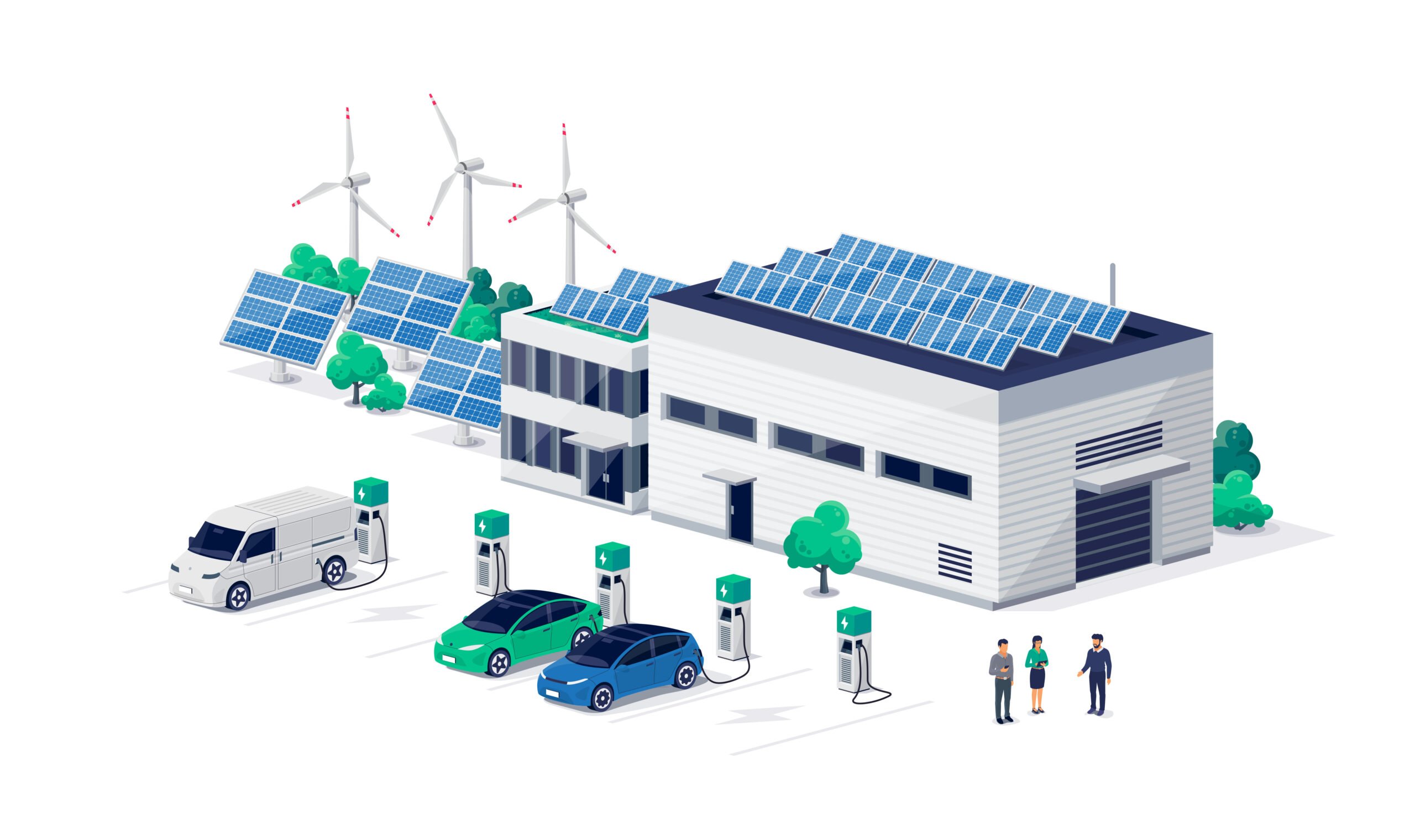
This case study describes how EA Technology was asked to develop options to facilitate the connection of low carbon technologies such as Solar Photovoltaics (PV) and Electric Vehicles (EVs) to the LV network.
EA Technology can help you understand the challenges facing your network and opportunity for alternative and novel operating arrangements to minimise costs.
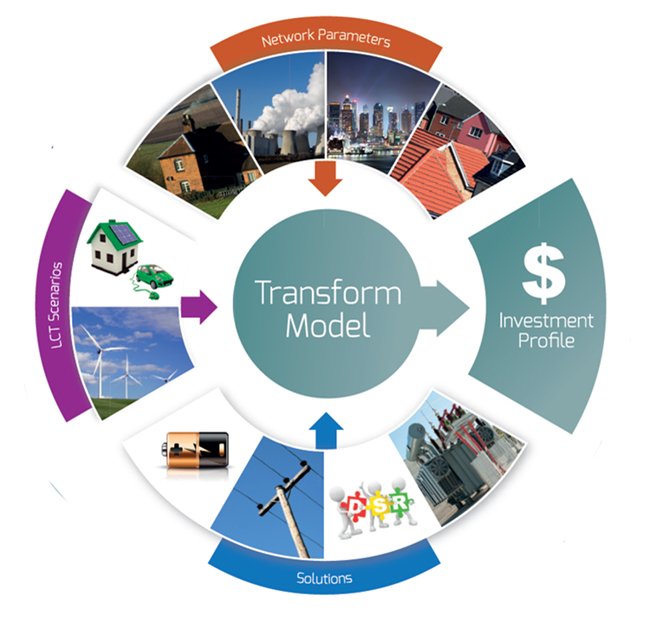
EA Technology utilised the Transform Model to perform a cost-benefit analysis for Tasmania’s LV electricity distribution network. The Transform model was populated with representative network data, forecast DER scenarios and usage profiles.
EA Technology identified that the biggest obstacle TasNetworks will encounter in the future is the increasing popularity of electric vehicles. This was noticeably different to previous assumptions based on analysis completed for South Australia Power Networks which recommended dynamic operating envelopes to manage solar PV related network constraints.
For TasNetworks, EA Technology performed multiple studies considering different management strategies available to manage the load on the LV network caused by EVs.
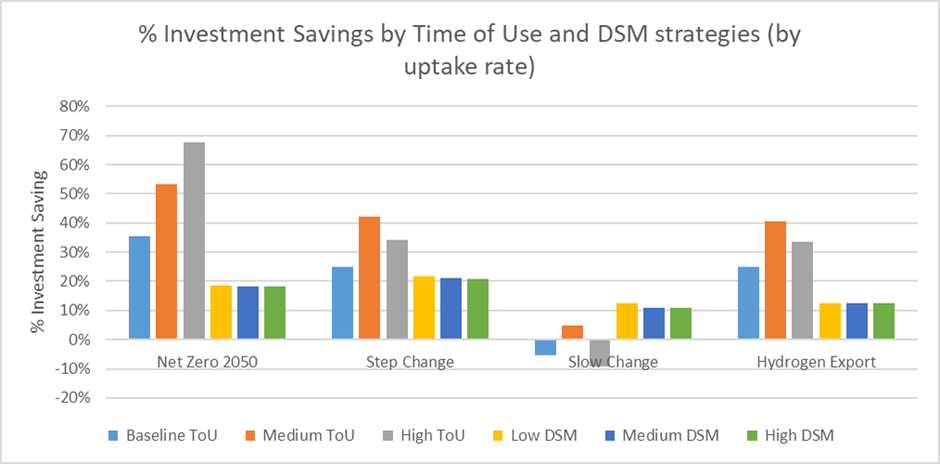
These included the development of time of use tariffs and demand side management of EV charging. These strategies were further compared with the counterfactual of no smart management strategies and costs were compared to quantify the savings available to TasNetworks.
This study estimated the investment savings brought about by deploying alternative strategies – Time of Use, Demand Side Management (DSM).
EA Technology are experts in parametric modelling.
Tapped on international experience to ensure that best practices and findings from across the globe were considered.
Models used in this project were shared with TasNetworks along with a comprehensive findings report and a training session to ensure good understanding and implementation.
How can this be made relevant for your organisation and projects?
While results from this project will be directly applicable for electricity distribution networks in Tasmania, the core strategies are applicable across the electricity industry.
Management of LV network constraints caused by DER uptake
Extract better value from your existing LV network
Minimise the need for costly network reinforcements
EA Technology have decades of experience in network transformation. Here are some of the areas we specialise in:
Other relevant projects we have worked on: